As the world becomes more aware of environmental issues, the question "Can paper flower decorations be recycled or reused?" gains significance. According to a report by the Paper Recycling Association, around 70% of paper products can be recycled, yet many decorative items often end up in landfills. This highlights a gap in awareness that needs to be addressed.
Expert Maria Holloway emphasizes, "Repurposing paper flowers not only reduces waste but also inspires creativity." The trend of using paper flowers in events grows, but their life cycle doesn’t always extend beyond a single occasion. Exploring ways to recycle or creatively reuse these decorations can make a positive impact.
Many people overlook the potential of these decorative items. Simple steps, like upcycling them into new crafts or donating them for future use, can extend their life. Achieving sustainability in our choices requires critical reflection on our habits. Exploring practical methods can allow us to cherish beauty while caring for our planet.
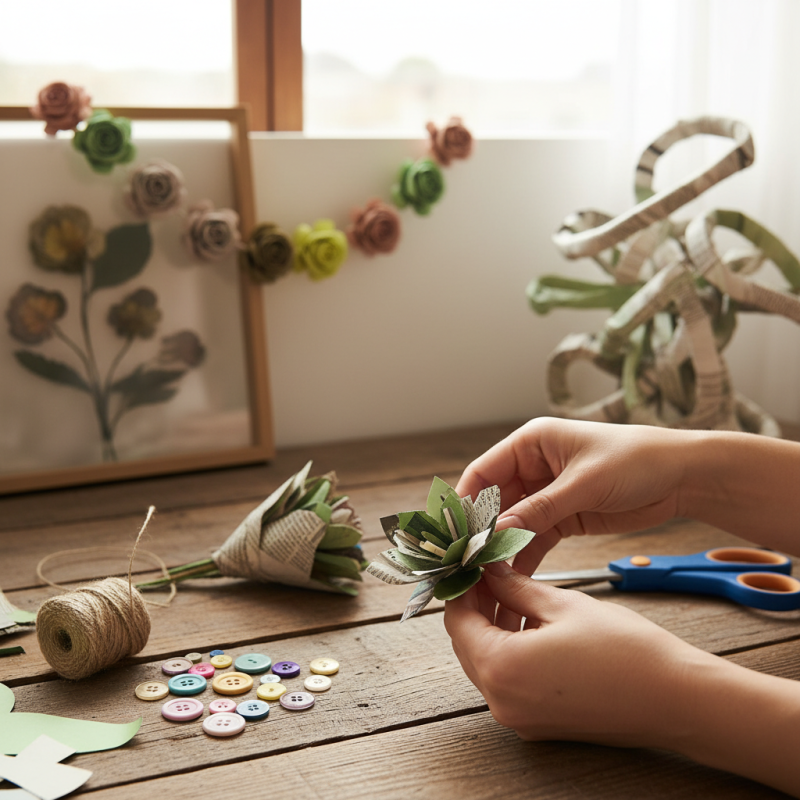
Recycling paper flower decorations is vital for sustainable living. According to the Environmental Protection Agency, paper products constitute 24% of municipal waste. This statistic highlights the impact of everyday items like paper flowers on our landfills. Many consumers overlook how these decorations can contribute to waste.
Understanding the importance of recycling is crucial. The recycling process for paper can save up to 60% of energy compared to producing new paper. This is significant in reducing greenhouse gas emissions. Yet, many still discard decorations carelessly. By choosing to recycle or reuse, individuals can help close the loop in the paper lifecycle.
Creativity plays a role in repurposing. For example, dried paper flowers can be transformed into unique art projects. However, not all decorations are easily recyclable. Some synthetic materials mixed with paper complicate the process. This highlights the need for awareness. Understanding what can be recycled fosters a more thoughtful approach to waste management.
Assessing the condition of paper flower decorations is crucial for deciding their fate. Start by checking for visible damage. Look for tears, fading, or water stains. These signs signal that the flowers may not be suitable for reuse. Aesthetic appeal matters. If they don't look good anymore, recycling could be the best option.
Check the materials used in the paper flowers. Are they made from recycled paper? If so, recycling them can contribute to environmental sustainability. However, if they are crafted from high-quality paper, consider reusing them. A fresh coat of paint or new embellishments can give them a renewed life.
Sometimes, we hold on to decorations out of sentimentality. Reflect on their past use. Did they bring joy or serve a purpose? If they no longer fit your space or style, it's okay to let go. Dispose of damaged flowers responsibly. Remember, the goal is to find a balance between sentiment and practicality.
Reusing paper flower decorations can breathe new life into your home décor and support sustainable practices. According to a recent study by the Environmental Paper Network, recycling paper can save 17 trees per ton. By reusing paper flowers, you are contributing to this positive environmental impact.
One creative way to repurpose your paper flowers is by transforming them into wall art. Mount the flowers on a canvas or inside a shadow box. This adds depth and makes an eye-catching display. Another option is to glue them onto greeting cards for a personal touch. Simple adjustments can enhance their aesthetic appeal. You could also create unique gift wrap by using recycled paper flowers, adding a charming flair to your gifts.
On the flip side, it's worth noting that some paper materials may not hold up well. If the flowers are damaged or faded, consider using them as inspiration for new creations. Reflecting on this, take a moment to recognize the beauty in imperfection. Turn what could be discarded into something fresh and exciting. Embracing this mindset transforms the way you view waste and creativity.
Recycling paper flowers offers a sustainable way to appreciate beauty while reducing waste. According to the EPA, in the U.S., paper accounts for about 23% of the total municipal solid waste. By reusing or recycling decorative paper items, individuals can significantly lower this number. Paper flowers can be composted if made from biodegradable materials. This means they can break down naturally in a compost pile, enriching the soil.
Using innovative methods can enhance the recycling process. For example, DIY projects encourage people to repurpose paper flowers. They can be turned into gift wrappings, bookmarks, or even art supplies. A report by the National Recycling Coalition suggests that education on recycling increases community participation by up to 30%. This illustrates the importance of sharing knowledge about the lifecycle of paper products.
Despite their aesthetic appeal, paper flowers may still contribute to waste if not disposed of properly. Some materials, like glitter or synthetic pigments, can hinder recycling efforts. Awareness of these components is crucial. It's essential to reflect on the impact of our choices. Engaging with neighbors in community recycling initiatives, like paper collections, can create a deeper understanding of collective responsibility.
Paper flower decorations can bring beauty to our spaces. However, when the season changes, or trends shift, we may wonder what to do with them. Instead of tossing them out, let’s explore some creative ways to recycle or reuse these lovely crafts.
One innovative idea is to transform paper flowers into greeting cards. Cut the flowers and attach them to blank cards. This adds a personal touch to your messages. Another option is to create a unique wall collage. Gather various paper flowers and arrange them in a dynamic design. If you have children, consider using them in school projects or crafting activities. This not only promotes creativity but also teaches the importance of repurposing materials.
While these projects sound fun, they can require some trial and error. You might struggle with colors or arrangements. It’s okay to make mistakes; they often lead to unexpected results. Use what you have and let your imagination flow. The primary goal is to enjoy the process and give your paper flowers another life.
| Reuse Idea | Materials Needed | Steps | Potential Uses |
|---|---|---|---|
| Gift Wrapping | Paper flowers, wrapping paper, tape | 1. Choose a wrapping paper. 2. Attach paper flowers to the gift using tape. |
Unique gift presentations, party favors |
| Wall Art | Paper flowers, canvas or cardboard, glue | 1. Arrange flowers on the canvas. 2. Glue them in place. |
Home decoration, office decor |
| Bookmarks | Paper flowers, cardstock, glue | 1. Cut the cardstock to bookmark size. 2. Attach a paper flower on top. |
Reading accessories, gifts for book lovers |
| Party Decorations | Paper flowers, string, tape | 1. String flowers on a line. 2. Hang them around the party space. |
Event decor, festive atmosphere |
: You can transform them into wall art or greeting cards. They can also be used for unique gift wrap.
Reusing paper flowers helps reduce waste and can save trees. It supports sustainable practices and recycling efforts.
No, some materials may hinder recycling, like glitter or synthetic pigments. Be mindful of what your flowers are made from.
Yes, damaged or faded flowers can inspire new creations. Imperfections can lead to fresh and exciting designs.
You can create bookmarks, school project materials, or even a wall collage. There are many possibilities to explore!
Organize paper collection initiatives. Educating others can boost participation in recycling efforts by fostering shared responsibility.
The article "How to Recycle or Reuse Paper Flower Decorations?" delves into the significance of recycling paper flower decorations and highlights the question, "Can paper flower decorations be recycled or reused?" It emphasizes assessing the condition of these decorations to determine their potential for reuse or recycling.
A comprehensive step-by-step guide is provided, offering creative ways to repurpose paper flowers, along with effective methods for recycling them and considering their environmental impact. Furthermore, the article presents innovative ideas for transforming paper flowers into new crafts, encouraging sustainability and creativity. Overall, it serves as a practical resource for individuals looking to reduce waste and utilize their decorative items in environmentally friendly ways.

Arden Decor