How to Choose the Best Lighting for Paper Flower Walls?

Time:2026-05-16 Author:Charlotte
0%

Creating a stunning paper flower wall demands careful consideration of lighting. The right illumination enhances colors and shapes, making the flowers truly pop. However, many struggle to find optimal lighting solutions. What lighting works best for highlighting paper flower walls?

Consider soft, warm lights that add a gentle glow. Spotlights can also work, but they may create harsh shadows. Experimentation is key. Too much light can fade colors; too little can make the flowers appear dull. Think about your overall design and setting.

Understanding how light interacts with your flowers is essential. Natural light is flattering, but it’s often unpredictable. Artificial options give you control, but they require careful selection. Ultimately, there may not be a perfect answer. Reflect on your space and the mood you want to create for the best results.
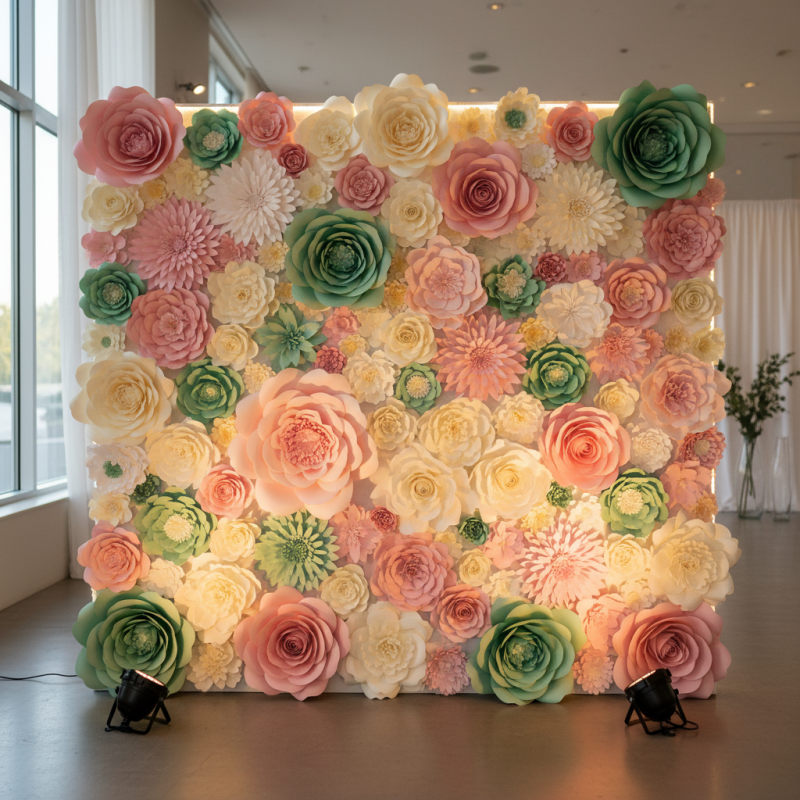
How to Choose the Best Lighting for Paper Flower Walls?

Understanding Different Lighting Types for Paper Flower Walls

When creating stunning paper flower walls, lighting plays a crucial role. Different types of lighting can dramatically enhance the visual appeal and create the desired atmosphere. According to industry reports, good lighting accounts for about 30% of how art installations are perceived by viewers.

Using natural light can produce soft, diffused effects. This enhances the colors of your paper flowers, making them vibrant and lifelike. However, natural light is unpredictable and may require adjustments throughout the day. Avoid direct sunlight, as it can cast harsh shadows and damage delicate petals.

Artificial lighting offers more control. Consider warm LED lights for a cozy ambiance. Spotlights can also highlight specific areas, drawing attention to particular flowers. However, overusing bright lights can wash out colors. Balance is key.

**Tips:** Use dimmers to adjust the intensity. Test different lighting angles before your final setup. Keep in mind that viewers may react differently to light. A setup that looks great to you might miss the mark for someone else. Always be open to experimenting with different types of lights to refine your overall design.

Lighting Comparison for Paper Flower Walls

Impact of Color Temperature on Flower Wall Aesthetics

Color temperature plays a significant role in the aesthetics of paper flower walls. Understanding it can elevate visual appeal. Research indicates that warmer light, around 2700K to 3000K, enhances the warmth of colors. This range highlights reds and oranges in paper flowers, creating a cozy atmosphere. In contrast, cooler light, above 5000K, can make colors appear sharper and more vibrant, emphasizing pinks and blues.

Choosing the right lighting is essential. For example, a study by the Lighting Research Center states that color temperature can influence mood and perception. People often prefer warmer tones in social settings, while cooler tones are suitable for more formal environments. Such choices can significantly impact the viewer's experience with a flower wall installation, shifting it from mere decoration to an immersive experience.

Yet, achieving the perfect balance is often tricky. Overly warm lighting might wash out certain flower colors, while too much cool light can create harsh shadows. It's important to test various lighting options during setup. Experimenting with different angles and intensities can help find the sweet spot. Flow is essential in visual design, and even minor adjustments can lead to enhanced beauty.

How to Choose the Best Lighting for Paper Flower Walls? - Impact of Color Temperature on Flower Wall Aesthetics

Color Temperature (K) Effect on Flower Color Recommended Usage
2700K Warm, Soft, Enhances Reds and Yellows Romantic Events, Indoor Settings
3000K Soft White, Accentuates Warm Colors Weddings, Parties
4000K Neutral White, Balanced Color Rendering Exhibitions, Professional Displays
5000K Daylight, Good for Cool Tones Outdoor Events, Bright Settings
6500K Cool White, Best for Whites and Blues Product Photography, Cool Ambiance

Best Practices for Placement of Lights in Display Settings

When planning a stunning paper flower wall, lighting is crucial. The right placement transforms your display. Think about the mood you want to create. Soft, diffused light can give a romantic feel. Bright, focused beams can highlight specific flowers or patterns.

Consider the angle of your lights. Position them about 30 degrees above the display. This creates depth and reduces harsh shadows. Side lighting can enhance textures, revealing details of the flowers. Using a mix of overhead and side lights can achieve a balanced look.

Don't overlook the power of colored lights. They can add drama or warmth. Experimenting with different setups may reveal surprising results. Sometimes, the initial plan doesn’t work as expected. Be ready to adjust. It’s part of the creative process. Make notes of what works in each setting. Each display offers a lesson.

Measuring the Illumination Needs: Lux Recommendations for Decor

When setting up paper flower walls, proper illumination is crucial. The light greatly enhances the colors and details of the flowers. A commonly suggested measurement is between 300 to 500 lux for decorative setups. This level of brightness ensures the flowers appear vibrant without overwhelming glare.

Tips: Consider warm light tones for a softer look. Cooler tones can create a more dramatic effect. Experiment with light placement to avoid harsh shadows on the flowers.

Using a dimmable light can provide flexibility. Adjustments allow you to find the perfect balance as the event progresses. Remember, effective lighting enhances your design but can also change the mood completely. Testing different configurations is essential. Sometimes what looks good in theory may not work as expected in practice.

Always think about the setting. Is the wall against light-colored surfaces or darker backdrops? The surrounding colors influence your lux needs. Reflect on how your choice affects the overall aesthetic. Pay attention to feedback from attendees, as their perception matters.

Using LED vs. Incandescent Lights for Flower Wall Vibrancy

When creating a stunning paper flower wall, lighting plays a crucial role in showcasing vibrancy. LED and incandescent lights are two popular options, each offering distinct characteristics. LED lights are energy-efficient and produce bright, colorful illumination. They can highlight the delicate features of each flower. Incandescent lights, on the other hand, provide a warmer glow. This creates a softer ambiance, ideal for intimate settings.

One common mistake is underestimating the impact of color temperature. LED bulbs often come in cool and warm tones, affecting how flowers appear. A cool white light may wash out softer pastels, while a warm yellow can enhance rich colors. Conversely, incandescent lights may not have the same brightness, leading to darker corners in your design. It's essential to experiment with both types to see which complements your flower colors best.

Additionally, consider how the placement of lights affects the overall look. Too much lighting can flatten the flowers' three-dimensional appearance. Too little can make them look lifeless. The balance is tricky and requires some trial and error. Personal preference plays a significant role, too. Each lighting option can evoke different moods, and it's your vision that should guide the final decision.

FAQS

: What is color temperature's impact on flower wall aesthetics?

: Color temperature affects the warmth and vibrancy of paper flower colors. Warmer light enhances reds and oranges, creating coziness.

What is the ideal color temperature for paper flower walls?

A warm light range of 2700K to 3000K is recommended for enhancing colors. Cooler light, above 5000K, sharpens pinks and blues.

How should I choose lighting for different settings?

Warm tones suit social settings, while cooler tones are better for formal environments. Test variations to see what feels right.

What lux measurement is appropriate for flower wall setup?

Aim for 300 to 500 lux for decoration. This brightness makes flowers vibrant without causing glare or washing out colors.

How can I adjust lighting during an event?

Using dimmable lights allows for adjustments throughout the event. This flexibility helps achieve the perfect look as circumstances change.

What are the pros and cons of LED lights versus incandescent lights?

LEDs are energy-efficient with vibrant illumination, while incandescent lights offer warmth. Each affects flower perception, so experiment to find your preference.

What is a common mistake in lighting flower walls?

Underestimating color temperature impact is common. Cool tones can wash out pastels, while warm tones enhance vibrant colors.

How does light placement affect flower wall aesthetics?

Improper placement can create harsh shadows or flatten flowers. Find a balance by experimenting with different angles and distances.

Should I consider surrounding colors when setting up lighting?

Yes, the color of adjacent surfaces influences your lighting needs. Reflect on how these choices affect the overall aesthetic.

How important is feedback from attendees on flower wall lighting?

Feedback is crucial as it reflects viewer perception. Adjustments based on their input can significantly enhance the visual experience.

Conclusion

When considering what lighting works best for highlighting paper flower walls, it is essential to understand the various types of lighting available and how they can affect the overall aesthetic. Different lighting types, such as ambient, task, and accent lighting, play a crucial role in enhancing the visual appeal of flower walls. Additionally, color temperature significantly impacts the perception of colors, with warmer tones often creating a cozy atmosphere, while cooler tones may bring out more vibrant hues.

Placement of lights is key in maximizing the display's beauty. Proper positioning can enhance depth and texture, making the flowers appear more dynamic. Furthermore, measuring the illumination needs, typically expressed in lux, ensures that the flower wall is adequately lit without overwhelming or washing out colors. Finally, the choice between LED and incandescent lights will influence the vibrancy and energy efficiency of the setup, allowing for a tailored approach to suit any decorative style.

Charlotte

Charlotte

Charlotte is a seasoned marketing professional with a deep understanding of the company's portfolio and a passion for elevating its presence in the market. With a keen eye for detail and a commitment to excellence, she ensures that our professional blog is regularly updated with insightful articles......